
Official Textbook of Pengzu Academy
The mandatory foundational textbook for all students, centered on "Pengzu Yin-Yang Harmony Arts Heritage Chronicle." Reading portals to the English, Japanese, and Chinese editions are provided on this page.
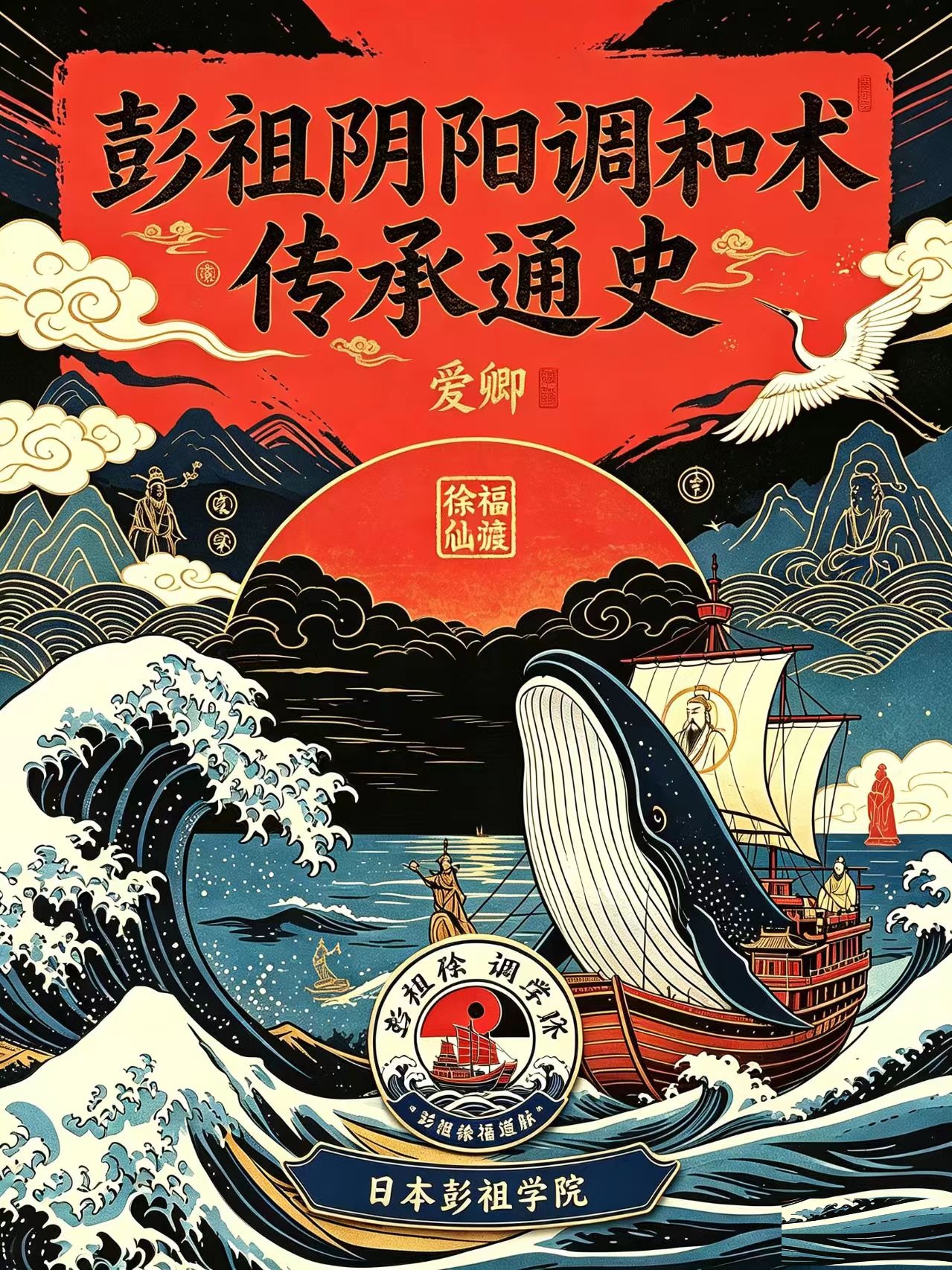
Official Textbook of Pengzu Academy
The sole official foundational textbook presenting the orthodox lineage in a comprehensive narrative from antiquity to the present. Triple verification through literary, archaeological, and academic evidence. Mandatory textbook for all students of Pengzu Institute.
- Mandatory official textbook for all students
- English · 日本語 · 中文 editions
- Literary · Archaeological · Academic triple verification
- Authored by Third-Generation Successor Aiqing
About the Official Textbook
Pengzu Academy's official textbook centers on "Pengzu Yin-Yang Harmony Arts Heritage Chronicle." Pengzu Yin-Yang Harmony Arts originated with the Yellow Emperor, was systematized by Pengzu, lost during the era of Empress Dowager Cixi, and revived by Aiqing — enduring over five millennia of transformation, it remains the wellspring of Chinese wellness culture. Authored solely by third-generation lineage holder Aiqing, this book traces from the Yellow Emperor to the present day, spanning five thousand years, systematically chronicling the complete journey of this ancient wellness wisdom — from origin and formation, through flourishing and distortion, to near-extinction and contemporary revival.
The textbook text is published separately in English, Japanese, and Chinese. When a visitor clicks "Read Textbook" on any language version of this site, they are taken directly to the corresponding edition — the English page leads to the English text, the Japanese page to the Japanese text, and the Chinese page to the Chinese text.
As the mandatory foundational textbook for all students of Pengzu Institute, this book employs triple verification through literary research, archaeological findings, and practical study to restore the formation and evolution of the theoretical system, correct historical misinterpretations, and bring forth its contemporary value. Volumes 1–3 are free to read; from Volume 4 onward, access is paid.